


Vitamin B12
Vitamin B12
VITAMIN B12
Vitamin B12 is an essential nutrient that supports energy production, red blood cell formation, and overall nervous system health. It plays a vital role in maintaining healthy neurons, helping ensure efficient nerve signaling and cognitive function. For individuals with Gilbert’s Syndrome, maintaining adequate B12 levels may be especially important. Inadequate B12 can contribute to earlier red blood cell breakdown (hemolysis), which may increase bilirubin levels and place additional strain on the body. Supporting healthy B12 status can help promote neurological function, metabolic balance, and overall well-being.
SUPPLEMENTS
10/15/20255 min read
What is Vitamin B12?
Vitamin B12, also known as cobalamin, is a water-soluble vitamin crucial for several important body functions:
Helps form red blood cells
Supports neurological and mental health
Aids in DNA repair and growth
Plays a role in liver detoxification
You mainly get B12 from animal-based foods such as meat, fish, dairy, and eggs.
For people with Gilbert’s Syndrome (GS), maintaining healthy B12 levels may support liver function and help manage bilirubin levels, mood, and energy.


How Common Is B12 Deficiency?
Vitamin B12 deficiency is more common than most people think:
Around 6% of adults under 60 in Western countries are estimated to be low in B12.
Around 20% of adults over 60 may be deficient.
In some regions, especially in developing countries, rates might reach 40–80%.
People who don’t eat meat — such as vegans or strict vegetarians — are at higher risk:
Studies suggest that about 50–60% of vegans who don’t use supplements or fortified foods may have low B12.
Vegetarians who include dairy or eggs generally have lower risk, but some may still be deficient.
This is often due to absorption problems rather than diet alone.
To absorb B12 properly, your body needs stomach acid, a special protein called intrinsic factor, and a healthy small intestine.
Vitamin B12, SAMe, and Gene Support
Gut Health and Stomach Acid
Now, here’s where it gets interesting — how B12 links to something called methylation, and why that might matter for people with Gilbert’s.
What Is Methylation?
Methylation is your body’s way of adding small chemical “tags” (called methyl groups) onto things like DNA, hormones, and neurotransmitters.
These tags act like tiny switches that help your body know when to turn things on or off.Methylation is used to:
Possibly adjust gene activity (turning genes “up” or “down”)
Create and balance brain chemicals like serotonin and dopamine
Help the liver process hormones and toxins
Support DNA repair and energy production
In simple terms, methylation helps your body communicate clearly — keeping chemical and genetic processes balanced.
Methylation is also considered one of the major liver detox pathways, similar to glucuronidation — the pathway that’s affected in Gilbert’s Syndrome.
When methylation slows down, it might also reduce the liver’s overall ability to clear toxins and regulate enzymes efficiently.How B12 Fits In
B12 helps keep this whole methylation system running smoothly.
Here’s the simplified chain reaction:
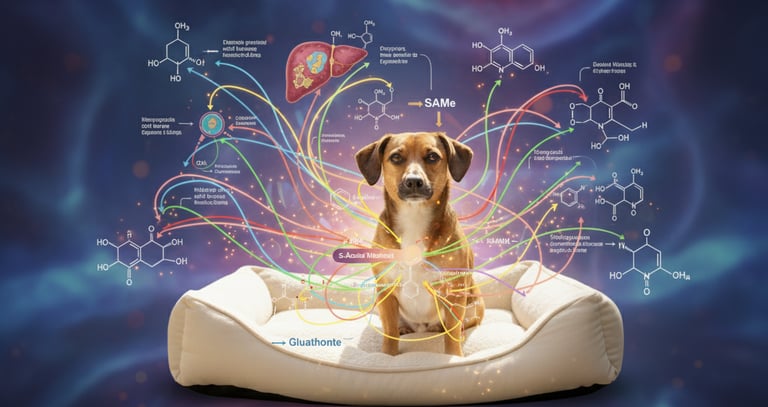
B12 helps recycle a compound called homocysteine back into methionine.
Methionine then turns into SAMe (S-adenosylmethionine).
SAMe gives out those tiny methyl “tags” that the body uses for hundreds of reactions — including gene regulation.
So, when B12 is low, SAMe levels may drop too.
When SAMe drops, methylation slows — and your body might not regulate genes or detox as efficiently.
Methylation and Gene Expression
Every gene in your body has a kind of “volume knob.”
Methylation helps control how active or quiet those genes might be — almost like your body fine-tuning its own instructions.
When methylation is balanced, genes are likely expressed at healthy levels.
If methylation slows down (perhaps from low B12, folate, or SAMe), some genes might not work as effectively.
This doesn’t change your DNA itself — it possibly changes how your body uses your DNA.
That’s the idea behind epigenetics — how nutrition, environment, and lifestyle might influence gene behavior over time.
How This Might Connect to Gilbert’s Syndrome
The enzyme that helps process bilirubin — UGT1A1 — is made by a gene in your liver.
That gene, like many others, may be influenced by methylation patterns.
So, in theory:
If methylation is running slowly (perhaps from low B12 or SAMe), your body might make a little less of the UGT1A1 enzyme.
If methylation is supported (through nutrients like B12, folate, choline, and a healthy liver), your body might produce or activate the enzyme a bit more efficiently.
This isn’t proven — but it’s considered biologically plausible based on how methylation affects other genes.
So while it won’t “cure” Gilbert’s, supporting B12 and methylation may help your body make the most of the enzyme it already has.
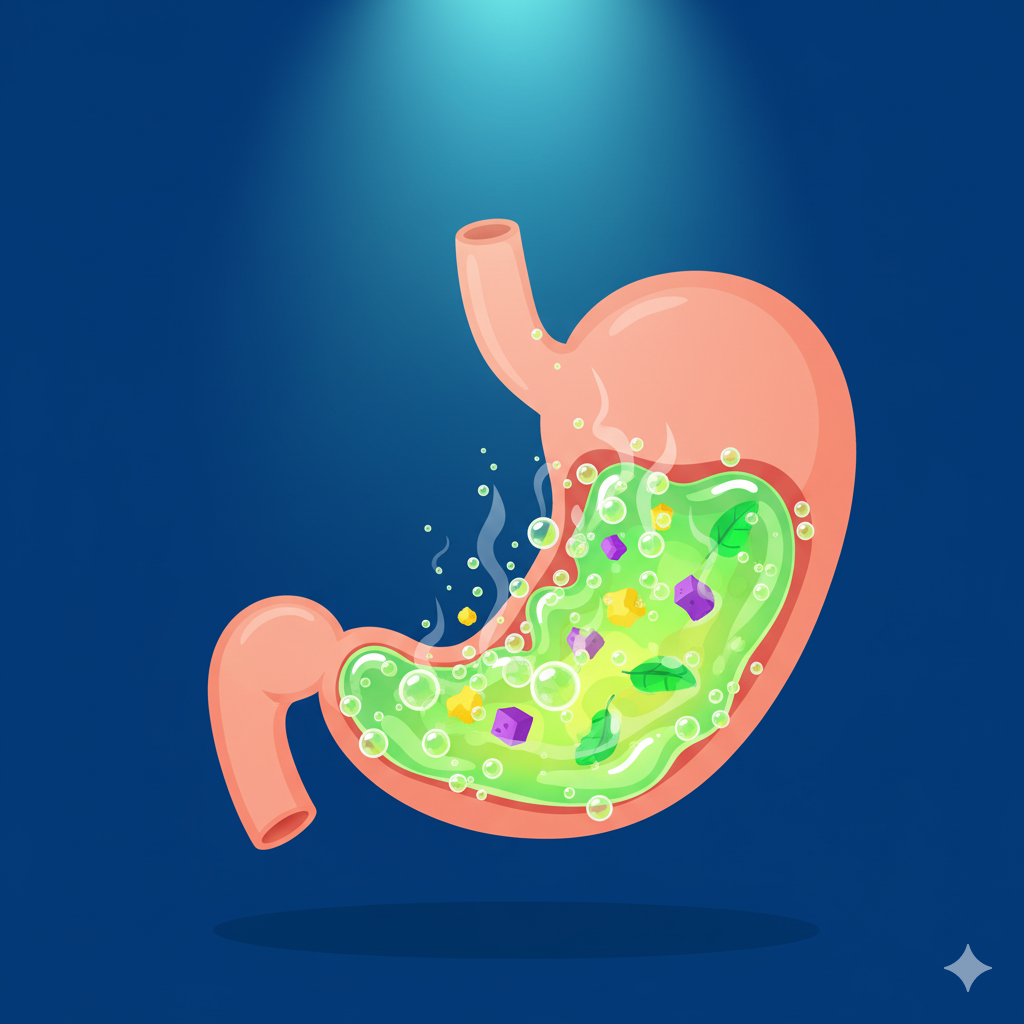
To release B12 from food, the stomach needs to produce enough acid (HCl).
People with slower digestion or gut issues — including some with GS — might have lower stomach acid, which can make absorbing B12 harder.
Gut bacteria also use some B12, and if your microbiome is out of balance, it can compete with your body for that vitamin.
That’s why supporting gut health is important.
B12, Choline, and Bile Flow
B12 also works closely with choline to make phosphatidylcholine (PC) — a compound needed for healthy bile.
Good bile flow helps digest fats and remove toxins.
When choline or SAMe is low, bile might become thick or sluggish, which could possibly affect liver function or digestion.
Supporting B12 and related nutrients helps keep that system moving properly.
Mood, Brain, and Energy
Because methylation helps make neurotransmitters like serotonin and dopamine, low B12 can lead to tiredness, low mood, or brain fog.
That’s why balancing B12 doesn’t just help your liver — it might also support your mental clarity, focus, and energy.










Low B12 and Red Blood Cells
Another reason B12 matters is its effect on red blood cell health.
When B12 levels are low, red blood cells can become fragile and may break down earlier than normal — a process called mild hemolysis.
This breakdown releases extra unconjugated bilirubin into the bloodstream.
For someone with Gilbert’s Syndrome — where the liver already struggles to process bilirubin efficiently — this can possibly raise bilirubin levels even higher, sometimes worsening symptoms like fatigue or mild jaundice.

